
Bone Grafting
(Socket Preservation & Ridge Augmentation)

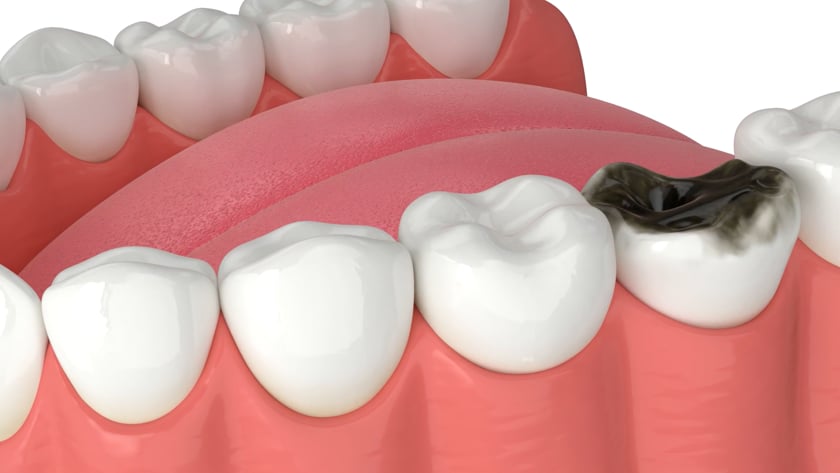
When a tooth is extracted, some natural bone loss occurs. Bone loss can occur horizontally and/or vertically. Placing a bone graft immediately after the tooth extraction helps to preserve the health and structure of the bone needed for future implant placement.
Bone Grafting (Socket Preservation)
There are different types of bone graft materials available, but one of the most commonly used is an allograft (from human donor graft). Other alternative graft materials are Xenograft (from animal donor graft) or Synthetic graft material which is man made or artificially produced. Which bone graft is used depends on your preference, availability of the graft material and depends on the individual case.
The graft material is covered by a barrier to keep it in place during healing. Healing after socket preservation is the same as an extraction without grafting. Even though the bone graft will preserve the shape and volume of the bone, it will not last forever. Getting an implant placed once the bone has fully integrated (about 4-6 months) is the best long-term solution.
Ridge Augmentation
Ready to book your dental appointment?
In our new, modern office we are proud to serve you!